Metformin for weight loss
Metformin can help you lose 2–5% of your body weight when paired with lifestyle change
Written by: Dr. Justin Zaghi
Last updated: March 2026
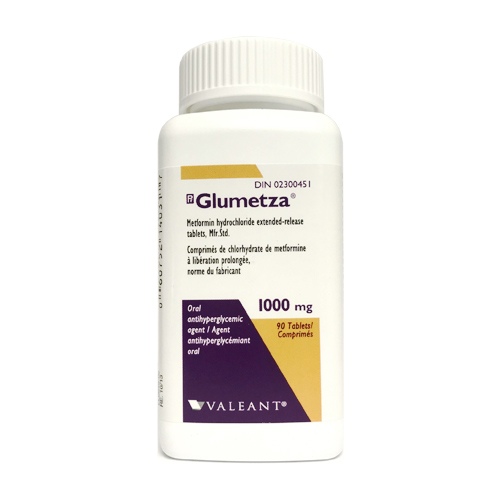

Table of contents:
ABOUT METFORMIN
HOW TO GET STARTED
What is metformin?
Metformin is one of the most widely prescribed medications in the world and has been used for decades to treat type 2 diabetes. It is available under the brand names Glucophage (immediate-release) and Glucophage XR (extended-release). Metformin was FDA-approved in the United States in 1995 for the treatment of type 2 diabetes. While metformin is not FDA-approved specifically for weight loss, it is commonly used off-label for this purpose, particularly in individuals with insulin resistance, prediabetes, or polycystic ovary syndrome (PCOS). In clinical studies, metformin has been shown to produce modest but meaningful weight loss of about 2–5% of body weight when combined with lifestyle changes.
How does metformin work?
Metformin works through several mechanisms to help with weight management. It reduces the amount of glucose (sugar) your liver produces and improves your body’s sensitivity to insulin, allowing your cells to use glucose more effectively. Unlike GLP-1 medications such as semaglutide and liraglutide, metformin does not directly suppress appetite by acting on the brain’s hunger centers. Instead, it appears to aid weight loss by improving insulin resistance (which can drive weight gain), modestly reducing appetite in some patients, and favorably altering gut bacteria and energy metabolism. Metformin may also activate an enzyme called AMPK, which plays a key role in how your body manages energy, helping to shift your metabolism toward burning fat rather than storing it.
What are the benefits of metformin?
Metformin has been shown to produce sustained, modest weight loss of about 2–5% of body weight in clinical studies. In the landmark Diabetes Prevention Program (DPP), approximately 29% of patients on metformin lost at least 5% of their body weight within the first year. Over 15 years of follow-up, patients who remained adherent to metformin maintained meaningful weight loss. Beyond weight loss, metformin has a wide range of health benefits. Studies show:
- A 58% reduction in the risk of developing type 2 diabetes in people with prediabetes(DPP trial)
- Improvements in blood sugar control, insulin sensitivity, and HbA1c levels
- Improvements in cholesterol levels and cardiovascular risk markers
- Reduced all-cause mortality in patients with type 2 diabetes (UKPDS trial)
- Improvements in arterial stiffness and vascular health
- Potential benefits in fatty liver disease, particularly when associated with weight loss
- Improvements in hormonal balance and menstrual regularity in women with PCOS
In short, metformin is a well-established medication with a long safety track record and benefits that extend well beyond weight loss!
What side effects should I look out for?
The most common side effects are gastrointestinal in nature, including diarrhea, nausea, stomach pain, and bloating. These side effects are typically mild and tend to improve over the first few weeks as your body adjusts. Taking metformin with food and using the extended-release formulation can significantly reduce gastrointestinal discomfort. Some patients also report a metallic taste in their mouth, which usually resolves over time.
Metformin may cause other less common, but more serious, side effects. These include:
- Lactic acidosis — a rare but serious condition that can occur if metformin accumulates in the body, particularly in patients with kidney or liver problems. Symptoms include extreme tiredness, muscle pain, difficulty breathing, stomach pain, dizziness, and feeling cold. Seek medical attention immediately if you experience these symptoms.
- Vitamin B12 deficiency — long-term use of metformin can lower vitamin B12 levels in approximately 7% of patients. Your Shapely provider will monitor your B12 levels and may recommend supplementation.
- Low blood sugar (hypoglycemia) — uncommon when metformin is used alone, but can occur if combined with other diabetes medications or if you skip meals
Who should avoid metformin?
People with any of the following conditions should not take metformin:
- Severe kidney disease (eGFR below 30 mL/min/1.73 m2)
- Severe liver disease or hepatic impairment
- A history of lactic acidosis
- Acute or chronic metabolic acidosis, including diabetic ketoacidosis
- Heavy alcohol use (alcohol increases the risk of lactic acidosis)
- An allergic reaction to metformin or any of its ingredients
- Pregnant women (discuss with your provider if you become pregnant while on metformin)
Additionally, metformin should be temporarily discontinued before certain medical procedures involving iodinated contrast dye (such as CT scans with contrast) and may need to be paused around the time of surgery. Always inform your healthcare providers that you are taking metformin.
How do I take metformin?
Metformin is taken by mouth as a tablet — unlike injectable medications such as semaglutide, tirzepatide, and liraglutide. It is available in immediate-release and extended-release formulations. The extended-release version (metformin XR) is generally preferred because it can be taken once daily and causes fewer gastrointestinal side effects.
You should take metformin with food, ideally with your largest meal of the day, to minimize stomach upset. Swallow the tablet whole — do not crush, chew, or break extended-release tablets. If you miss a dose, take it as soon as you remember. If it’s almost time for your next dose, skip the missed dose and continue with your regular schedule. Do not take two doses at once.
What dose of metformin should I take?
Most patients will start at a low dose and gradually increase over several weeks to minimize gastrointestinal side effects. For the extended-release formulation, the typical starting dose is 500 mg once daily with dinner. Your Shapely provider will increase the dose in 500 mg increments each week as tolerated, until reaching the target maintenance dose. Doses above 2,000 mg daily generally provide little additional benefit and may increase side effects. Make sure to attend your regular meetings with your Shapely provider so that you can find the dose that works best for you.
Below is the standard dosing schedule for metformin:
Weeks 1-2
500 mg
500 mg once daily
Week 3-4
1,000 mg
500 mg twice daily
Week 5-6
1,500 mg
1,000 mg in the morning and500 mg with dinner
Week 4+
2,000 mg
1,000 mg twice daily
Note: If you are taking the extended-release formulation, you will take the medication once daily. Your Shapely provider will guide you on the specific schedule.
What should I expect while taking metformin?
Metformin works more gradually than GLP-1 medications like semaglutide or tirzepatide. You may not notice significant appetite changes right away, but over the first few weeks, many patients report feeling less hungry and having fewer cravings, particularly for sugary and high-carbohydrate foods. Some patients describe a subtle reduction in overall appetite.
Weight loss with metformin tends to be more gradual and modest compared to injectable GLP-1 medications. A healthy expectation is about 0.5–1 lb per week once you reach your maintenance dose. Most patients will see the majority of their weight loss within the first 6–12 months. The Diabetes Prevention Program showed that patients who were most adherent to metformin achieved the best long-term results.
Your Shapely provider will evaluate your progress regularly and may combine metformin with other treatments if additional weight loss support is needed.
What foods should I avoid while on metformin?
While you don’t need to make any strict dietary changes while taking metformin, improving the quality of your diet will help accelerate and sustain your weight loss.
Because metformin can cause gastrointestinal side effects, it’s generally recommended to avoid or limit foods that may worsen stomach discomfort, including high-sugar and high-carbohydrate foods (which can also counteract the metabolic benefits of metformin), excessive amounts of alcohol (which increases the risk of lactic acidosis and low blood sugar), and very high-fat or greasy foods, which may worsen nausea and diarrhea.
Eating regular, balanced meals rich in fiber, lean proteins, and vegetables will complement the effects of metformin and support steady weight loss.
Am I required to exercise while on metformin?
Exercise is not strictly required while on metformin, but it is strongly recommended! The Diabetes Prevention Program showed that the combination of metformin with lifestyle changes (including regular physical activity) produced the best long-term outcomes. Exercise improves insulin sensitivity — which works synergistically with metformin — and helps preserve muscle mass during weight loss. Aim for at least 150 minutes of moderate-intensity exercise per week, such as brisk walking, cycling, or swimming.
We’re excited to help you achieve the best shape of you! For any additional questions on metformin, please reach out to your Shapely provider using the chat feature in Healthie. Or feel free to give us a call at 424-600-8360.
References:
- Knowler WC, Barrett-Connor E, Fowler SE, et al.; Diabetes Prevention Program Research Group. Reduction in the incidence of type 2 diabetes with lifestyle intervention or metformin. N Engl J Med. 2002;346(6):393-403.
- Diabetes Prevention Program Research Group. Long-term safety, tolerability, and weight loss associated with metformin in the Diabetes Prevention Program Outcomes Study. Diabetes Care. 2012;35(4):731-737.
- Apolzan JW, Venditti EM, Edelstein SL, et al. Long-Term Weight Loss With Metformin or Lifestyle Intervention in the Diabetes Prevention Program Outcomes Study. Ann Intern Med. 2019;170(10):682-690.
- UK Prospective Diabetes Study (UKPDS) Group. Effect of intensive blood-glucose control with metformin on complications in overweight patients with type 2 diabetes (UKPDS 34). Lancet. 1998;352(9131):854-865.
- Sharifi A, Mousavinasab N, Mazloomzadeh S, et al. Treatment with metformin improves arterial properties, metabolic parameters, and liver function in patients with nonalcoholic fatty liver disease. Am J Hypertens. 2011;24(7):781-788.
- Glucophage (metformin hydrochloride) [package insert]. Princeton, NJ: Bristol-Myers Squibb Company; 2017.