How to Weigh Yourself: Getting the Most Accurate Reading

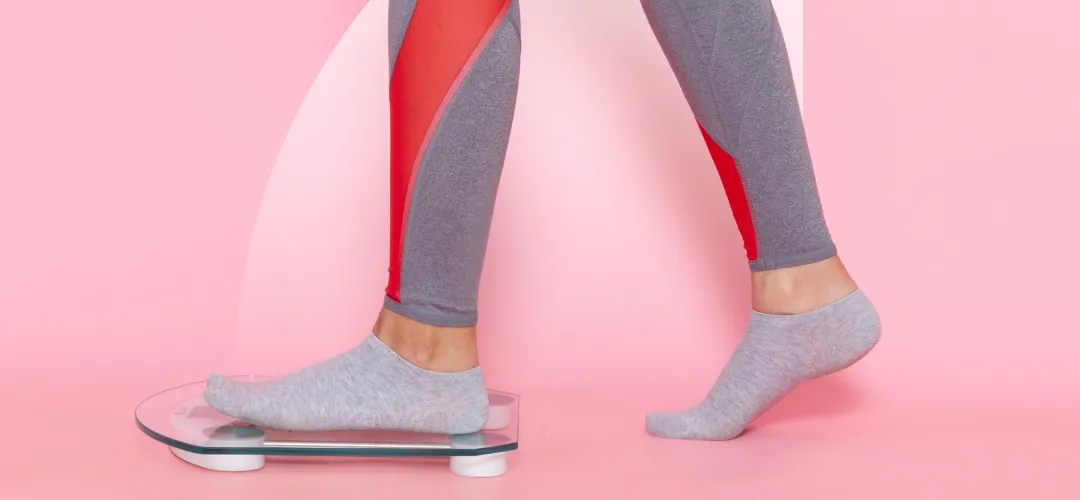
Best Time to Weigh Yourself
Weigh yourself first thing in the morning — after using the bathroom, and before eating or drinking anything. This removes the biggest sources of noise: food still in your digestive system, water retained from meals, and overnight changes in hydration.
Your weight is naturally at its lowest after sleeping, because you've effectively been fasting and haven't taken in any liquids. That makes the morning reading the closest thing to a "true" measure of your body mass — and the most consistent one to track over time.
What Throws Off Your Scale Reading
Water Retention
A single high-sodium meal can increase water retention by 2-3 pounds overnight. Hormonal cycles can cause 3-5 pound fluctuations. Exercise causes temporary water retention as muscles hold fluid for recovery. This is real and normal, but it's not fat gain.
Food Volume in Your System
If you ate a large meal the night before, that food adds weight until it's digested and eliminated. Fiber from vegetables adds bulk which can easily account for 1-2 pounds of scale weight.
Alcohol and Carbs
Carbohydrates pull water into cells (part of how they're stored). Alcohol is dehydrating, so your body retains water to compensate and both can cause temporary weight increases that resolve in 24-48 hours.
Stress and Sleep
Poor sleep increases cortisol which promotes water retention and inflammation. Chronic stress does the same. If you've had a stressful week leading to poor sleep, your weight may be up even if you've lost fat.
The Weekly Trend Is What Matters
Instead of obsessing over daily numbers, weigh yourself on the same day each week (say, Monday morning) and track that number then look at the trend over 4 weeks.
- Are you averaging 1-2 pounds lower per week? That's success!
- Did you gain 0.5 pounds weekly on average? That's a plateau worth investigating.
- One week up? Meaningless noise.
Consistency over perfection and remember your scale should be a data point, not a verdict on your worth.
Scale Consistency Beats Accuracy
Your bathroom scale doesn't need to be perfectly accurate, it needs to be consistent. Use the same scale, same time, same conditions every time you weigh. If you're tracking 167 pounds but the 'true' number is 164, it doesn't matter as you'll still see the 1-2 pound weekly trends that tell you what's working. Different scales can vary by 5+ pounds. Don't buy a 'better' scale and expect it to match your old one.
When to Stop Weighing Yourself
Some people become scale-obsessed and it hurts more than helps. If checking the scale triggers anxiety or disordered eating patterns, put it away. Your weight is one data point. How you feel, how your clothes fit, energy levels, and strength gains matter just as much. If the scale is psychologically harmful, use other measurements: waist circumference, photos, or how your clothes fit.
Final Thoughts
Weighing yourself is a useful tool when done correctly—same time, same scale, same conditions, and focusing on weekly trends rather than daily fluctuations. Your weight naturally fluctuates 3-5 pounds daily based on water, food, hormones, and sleep. That's not failure; it's biology. Trust the trend, ignore the noise, and remember that the scale doesn't measure your worth or your progress in terms of how you look and feel.